Spinning Home: The Diaspora DJs Turning American Club Nights Into Cultural Lifelines
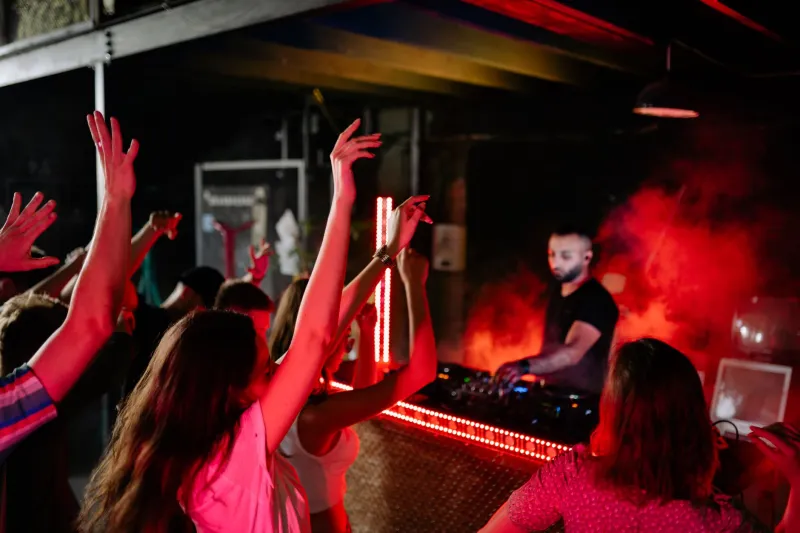
It's 1 a.m. on a Saturday in Bushwick, Brooklyn, and the bassline hitting the room doesn't belong here — not geographically, anyway. It's Afrobeats, specifically a Burna Boy deep cut that never cracked any American streaming chart, and the crowd is absolutely losing it. Half of them grew up in Lagos. The other half grew up in Queens and learned about this song through a cousin's WhatsApp voice note. Nobody needed a Billboard ranking to get here.
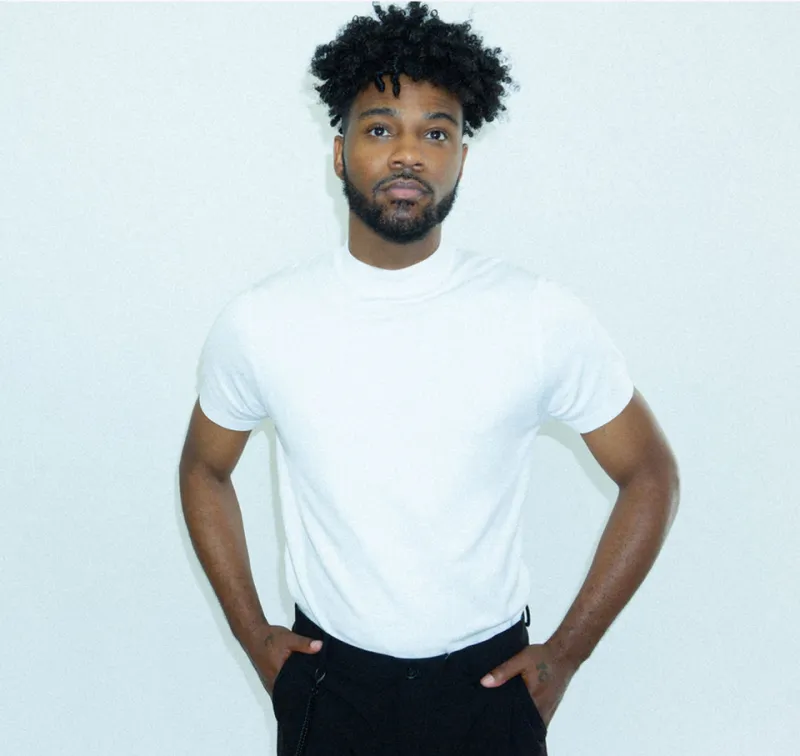
Behind the decks is DJ Temi Adeyemi — not her DJ name, but close enough — a 29-year-old Nigerian-American who moved to New York at age eleven and has been running her monthly club night, Eko Vibes, for three years. She didn't start it to become famous. She started it because she was tired of going out and never once hearing music that felt like her grandmother's kitchen.
"There's a version of Afrobeats that's been packaged for American audiences," she says during a break, shouting slightly over the residual hum of the monitors. "It's great, I love those artists. But there's a whole other world — highlife, fuji, jùjú — that just doesn't travel the same way. My night is for that world."
The Set List as a Political Act
What Temi does every month in Brooklyn is happening in cities across the United States, in ways most mainstream nightlife coverage completely misses. In Chicago, a DJ collective called Balkan Burn runs quarterly events dedicated to Serbian turbo-folk and Macedonian wedding music — genres that are simultaneously beloved and embarrassing to their home audiences, let alone foreign ones. In Los Angeles, a Salvadoran-American DJ has been hosting Cumbia Rebelde nights that pull from regional Mexican, Guatemalan, and Honduran traditions that mainstream Latin music radio would never touch. In Houston, there's a Vietnamese-American crew spinning exclusively nhạc vàng — golden music — a pre-1975 South Vietnamese genre that carries enormous emotional weight for older immigrant communities and growing curiosity among their American-born kids.
These aren't nostalgia projects. Or at least, they're not only nostalgia projects. They're something more complicated: acts of cultural maintenance dressed up as a party.
"People think I'm just playing old songs for homesick uncles," laughs Marcus Vukovic, one of the organizers behind Balkan Burn, a second-generation Serbian-American raised in the Chicago suburbs. "But half our crowd has never been to the Balkans. They're there because the music is genuinely wild and interesting. Turbo-folk is this insane hybrid — it's Balkan folk melodies over '90s Eurodance production. It sounds like nothing else on earth. Once people hear it, they're hooked."
Vukovic's point gets at something important: the best diaspora club nights don't work by demanding cultural loyalty. They work because the music is actually that good.
When Authenticity Gets Complicated
Still, the tension between preservation and accessibility is real, and every DJ in this space navigates it differently. Do you explain the music to newcomers, risk being condescending, or just let it speak for itself? Do you play the version of a song that's familiar to the diaspora community, or the one that's been remixed for broader appeal? Do you code-switch your set list depending on who shows up?
Temi describes a night where she played a Fela Kuti record and watched half the room go quiet — not in a bad way, but in the way people go quiet when something hits them somewhere unexpected. "These were kids who'd never heard Fela. They didn't know the context, didn't know the politics behind it. But they felt something. That's the whole point. You don't need a history lesson to feel music in your chest."
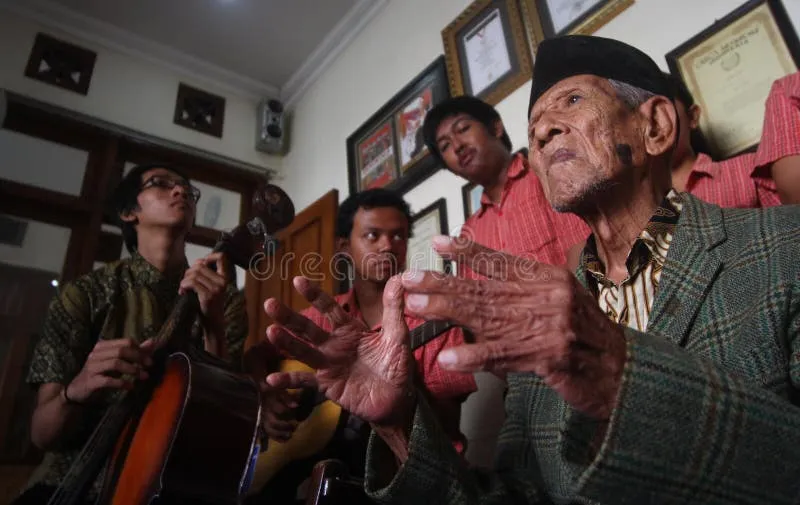
Other DJs take a more educational approach. DJ Lek Sounalath, a Laotian-American spinning traditional mor lam music at events in Minneapolis, often opens his sets with a brief spoken introduction — not a lecture, more like a friend giving you the backstory before a movie. "I'll say something like, 'This next song is from a region in Laos that most Laotians have never visited, and the singer recorded it on a cassette in 1978.' People lean in. They want context. It makes the music feel real instead of decorative."
The Geography of a Dance Floor
There's a particular kind of magic that happens in these rooms that's hard to quantify. When a London grime beat drops at a Brooklyn party, and the crowd is mostly West African-American, something interesting is happening culturally — a conversation between diasporas, a sound that traveled from West Africa to East London and then back across the Atlantic to a basement in New York, landing in a room full of people who carry pieces of all those journeys.
That's not an accident. Many diaspora DJs are deeply aware of how global music moves, how it mutates, and what gets lost in translation. They're making curatorial decisions that universities study and music journalists write thinkpieces about, except they're doing it in real time, reading a room at 2 a.m.
"I think of myself as a connector," says Temi. "Not a gatekeeper — I hate that word. A connector. Between generations, between communities, between people who share something and don't know it yet."
Who Gets to Keep the Music?
The question of ownership hovers over all of this. When a Balkan turbo-folk night draws a crowd that's 60% non-Balkan, is that a success or a dilution? When mor lam starts showing up in fashion brand playlists because a Minneapolis DJ's set got clipped and went viral, who benefits?
Most of the DJs in this space have complicated feelings about visibility. They want the music to reach people. They also know that the moment a sound gets labeled "trending," the context tends to get stripped away — the grief, the migration, the specific political history that made the music what it is.
"There's a version of success that would make me uncomfortable," Vukovic admits. "If turbo-folk becomes an aesthetic, a vibe, without anyone knowing what it came from — I don't know how I feel about that. The music came from real places, real people, real pain sometimes. It deserves more than a mood board."
For now, though, the rooms keep filling up. The sets keep running long. Someone's grandmother's favorite song is shaking a subwoofer in a city she's never visited, and a room full of strangers is dancing to it like they've known it their whole lives.
Maybe that's enough. Maybe that's everything.