Walls That Record: How Staying Home Rewrote the Rules of What Music Should Sound Like
There's a creak in the floorboard. You can hear it on the second track of an album that spent three weeks on the indie charts last spring. It's not a mistake the artist forgot to edit out. It's there on purpose — a tiny, human reminder that someone real made this thing in a real place, probably in their socks, probably at two in the morning.
That creak would have been scrubbed clean in a professional studio. And that's exactly the problem.
The Room Became the Instrument
When the world locked down in 2020, the music industry assumed it was facing a temporary inconvenience. Artists would pause, wait it out, and return to proper facilities once everything opened back up. What actually happened was something nobody in a corner office saw coming: a generation of producers discovered they made better music when nobody was watching.
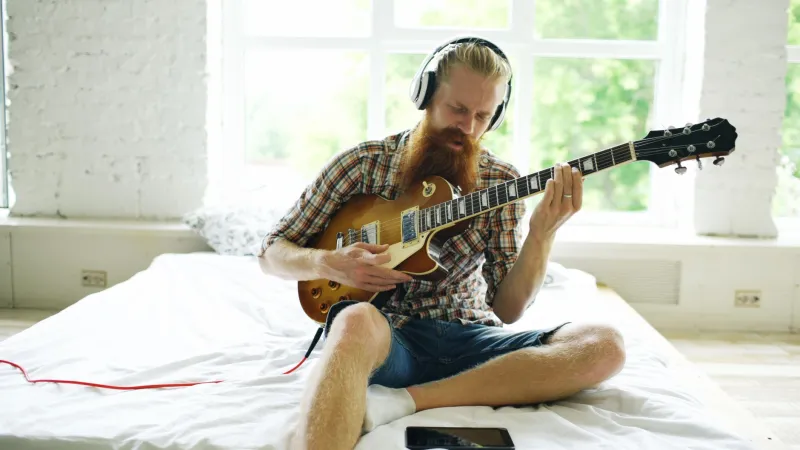
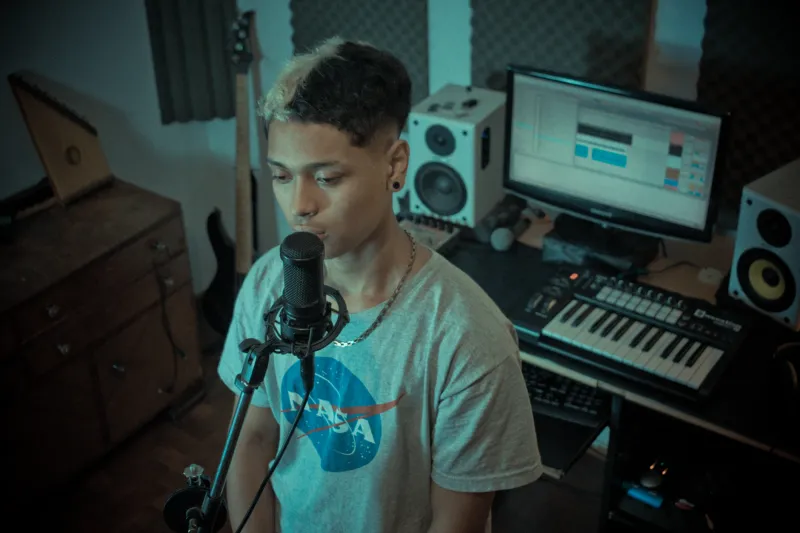
The bedroom — long dismissed as a starter space, a place you graduated from — became the destination. Artists who had spent years chasing pristine acoustics and high-end outboard gear suddenly found themselves working with laptop speakers, cheap condenser mics, and whatever sonic quirks their apartment happened to have. And instead of fighting those limitations, a lot of them leaned in hard.
Producer and multi-instrumentalist Dessa Crane, who records out of a converted closet in her Chicago apartment, puts it simply: "The studio always felt like someone else's room. You're paying by the hour, there's an engineer watching you, and every instinct you have gets filtered through whether it's 'professional enough.' At home, I stopped asking for permission."
That permission — or rather, the absence of needing it — turned out to be the unlock.
Lo-Fi Wasn't a Trend. It Was a Confession.
The lo-fi aesthetic had already been quietly gaining ground before the pandemic. Bedroom pop artists like Clairo and Rex Orange County had built real followings on the back of home recordings that felt deliberately unpolished. But what isolation did was mainstream that ethos in a way nobody expected.
Suddenly, the warmth of tape saturation, the intimacy of a close-mic'd voice, the audible hiss of an old synthesizer — these weren't signs of a limited budget. They were signs of authenticity. Listeners, themselves stuck in their own homes and starved for human connection, responded to music that sounded like it came from somewhere, not the sterile nowhere of a perfectly treated recording room.
Streaming data bore this out in uncomfortable ways for the traditional industry. Albums recorded entirely at home weren't just performing well in niche corners — they were cracking mainstream charts, racking up playlist placements, and generating the kind of listener loyalty that expensive studio projects were struggling to match.
The Major Label Panic (and Pivot)
Here's where things get a little ironic. The same major labels that spent decades convincing artists that professional studios were non-negotiable started doing something quietly embarrassing: they began trying to replicate the bedroom sound.
A&R reps started specifically requesting that artists not "over-produce" their demos. Some labels began hiring producers specifically for their ability to make things sound intimate and imperfect. One producer who asked not to be named — he still works with a major — described a meeting where an executive asked him to make a pop track sound like it was "recorded on a laptop but, like, a good laptop."
The absurdity isn't lost on anyone in the room. Labels spent years gatekeeping studio access as a mark of legitimacy. Now they're paying premium rates to simulate the sound of someone who couldn't afford a studio.
Ambient and Experimental: The Quieter Revolution
While bedroom pop grabbed most of the headlines, something even more interesting was happening at the edges. Producers working in ambient, experimental, and electronic music used isolation to take risks that a studio environment — with its inherent social pressure and financial clock — would have made nearly impossible.
Artists started incorporating field recordings from their immediate surroundings: the hum of a refrigerator, rain against a window, the distant sound of a neighbor's television. These textures, once considered noise to be eliminated, became compositional elements. The result was a wave of experimental music that felt genuinely new — not because the technology changed, but because the permission structure did.
Jordan Yee, a producer and sound designer based in Portland who creates ambient electronic music under the name Lakeform, describes it this way: "I used to pre-edit myself constantly in a studio context. I'd think, 'that's too weird, that won't make sense to anyone.' At home, I just kept going. Some of the most interesting things I've ever made came from not having anyone to check with."
Yee's last project — recorded entirely in a one-bedroom apartment using a secondhand interface and a microphone he bought off Facebook Marketplace — got picked up by a boutique label and landed on several major editorial playlists. The recording setup cost him less than a single day of professional studio time.
What 'Professional' Actually Means Now
This is the real shift, and it's bigger than aesthetics. The pandemic era forced a renegotiation of what the word professional actually means in music.
For most of the 20th century, professional meant access — to equipment, to engineers, to rooms with good acoustics. It was gatekept by money and connections. But when artists proved that compelling, commercially successful music could be made with a laptop and a dream, the definition started to crack.
Professionalism, it turns out, was never really about the gear. It was about intention, craft, and the ability to make choices that serve the music. Those things don't require a $500-an-hour room. They require a producer who knows what they're doing and has the freedom to do it.
The bedroom studio didn't lower the bar. It moved the bar somewhere more honest.
The Sound of Right Now
Walk through any major streaming playlist today and you'll hear it everywhere — the close intimacy of a voice that sounds like it's right next to you, the warmth of a room that has a personality, the occasional imperfection that makes you feel like a human being made this for other human beings.
That sound didn't come from a studio. It came from someone's apartment, their spare room, their closet with acoustic foam stapled to the wall. It came from isolation and limitation and the creative freedom that, paradoxically, both of those things can produce.
The creak in the floorboard is still there. And it's not going anywhere.