Locked Out of the Stage: How America's Visa Maze Is Silencing the World's Best Live Music
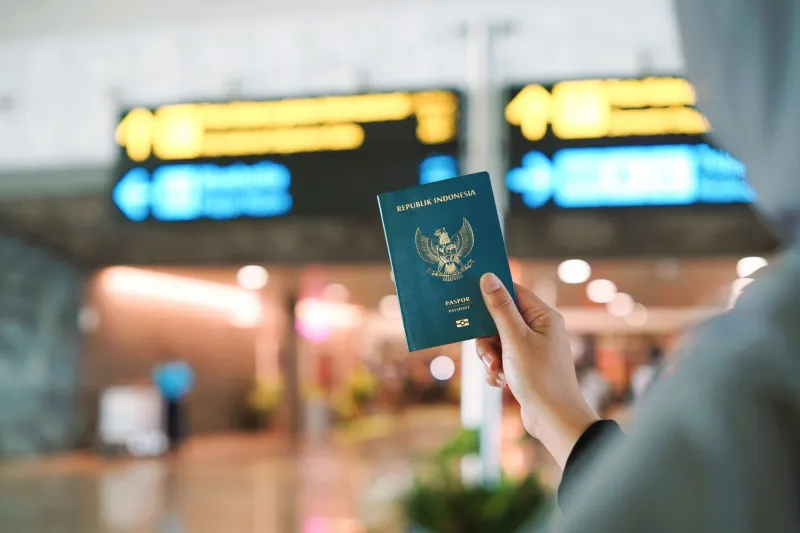
Imagine booking a flight to see your favorite artist — someone you've been streaming obsessively for two years — only to get an email three days before the show that the tour has been canceled. Not because the artist got sick. Not because the venue flooded. But because a government office in Washington didn't process a stack of paperwork in time.
This isn't a hypothetical. It's become a recurring nightmare for international musicians trying to perform in the United States, and it's happening quietly enough that most casual music fans have no idea how bad it's gotten.
The Visa Nobody Talks About
To perform professionally in the US, foreign musicians typically need what's called an O-1B or P visa — specialized work permits designed for artists of "extraordinary ability" or members of internationally recognized groups. On paper, the system sounds reasonable. In practice, it's a bureaucratic obstacle course that can take six to nine months to navigate, cost thousands of dollars in legal fees, and still result in denial for reasons that feel arbitrary at best.
Processing times at US Citizenship and Immigration Services ballooned after the pandemic and have never fully recovered. Premium processing — the expedited option that used to get results in two weeks — now runs closer to 45 business days. For a touring artist trying to lock in dates six months out, that timeline makes booking almost impossible.
"We used to plan US legs of tours with a reasonable amount of confidence," says one European booking agent who asked not to be named because they still regularly work with American promoters. "Now we build in contingency plans for the contingency plans. Sometimes we just skip America entirely and move straight to Canada."
Who's Actually Getting Blocked
The artists most affected aren't the stadium-filling megastars with full legal teams on retainer. It's the mid-tier acts — the Afrobeats producers from Lagos who just landed a major label deal, the cumbia collectives from Medellín building real US fanbases through TikTok, the experimental electronic artists from Southeast Asia whose shows sell out in 48 hours across Europe. These are exactly the musicians American audiences are hungry for, and they're the ones least equipped to survive a nine-month visa slog.
For artists from certain countries, the barriers are even steeper. Musicians from nations on various US travel restriction lists face near-automatic denial regardless of their cultural profile or the size of their following. A Grammy-nominated artist from a flagged country can have millions of streams on Spotify and still spend years unable to set foot on an American stage.
Then there's the financial dimension. Filing fees alone can run upward of $5,000 per application. Add attorney costs, and a small touring act might spend $15,000 to $20,000 before they've even booked a single flight. For artists without label support or a well-funded management company, that math simply doesn't work.
Promoters Caught in the Middle
American venue owners and independent promoters are absorbing the fallout in ways that rarely make headlines. When a visa gets denied or delayed, the promoter eats the marketing spend, the pre-sale ticket refunds, and sometimes the deposit already paid to the venue. A mid-sized club that built a season around four or five international bookings can find itself in serious financial trouble if even two of those fall through.
"We lost three international bookings in one quarter last year," said a promoter based in Chicago who books world music and global sounds acts. "Two were visa delays, one was an outright denial. That's not just money — that's audience trust. People stop buying advance tickets when they've been burned enough times."
Some promoters have started building "visa failure" clauses into contracts, explicitly addressing what happens when immigration bureaucracy torpedoes a show. It's a sign of how normalized the problem has become.
The Underground Workaround Economy
Here's where things get genuinely murky. A growing number of artists are entering the US on tourist visas and performing anyway — technically illegal, but increasingly common as the official system becomes more dysfunctional. Some do it through small, low-profile shows that fly under the radar. Others accept cash payments to avoid creating a paper trail.
This underground circuit isn't some fringe phenomenon. It's a quiet, open secret in certain corners of the independent music world. Venues that host these shows often do so knowingly, calculating that the risk of enforcement is low and the alternative — simply not having live music — is worse for their bottom line.
The risk, of course, is real. Artists caught performing on tourist visas can face multi-year bans from the US, effectively ending any chance of building a legitimate American audience. It's a desperate gamble, and the fact that talented musicians are taking it says a lot about how broken the official pathway has become.
American Fans Are Already Traveling
One of the stranger byproducts of this crisis is a new kind of music tourism flowing in reverse. American fans who can't see their favorite international acts domestically are increasingly flying abroad to catch them. Festivals in the UK, the Netherlands, and Colombia have noticed upticks in US passport holders in their crowds — people who figured out it was cheaper to buy a transatlantic flight than to wait for a tour that might never come.
This isn't just an inconvenience story. It's a cultural access story. The fans who can afford to chase concerts to London or São Paulo are, by definition, not the ones who most need affordable local access to global music. The visa bottleneck is quietly making American live music culture more insular and more economically stratified at the same time.
What Would Actually Help
Artist advocacy groups and immigration reform organizations have been pushing for specific fixes: faster processing lanes for cultural performers, clearer documentation standards that reduce the back-and-forth with immigration officers, and a dedicated review process for artists with demonstrated US fanbases. None of these proposals require dismantling immigration enforcement — they're about making an existing system function the way it was supposedly designed to.
Some members of Congress have introduced legislation aimed at streamlining artist visas, but the bills tend to stall in committees where immigration reform of any kind has become politically radioactive. The cultural cost of inaction rarely registers as a political priority.
Meanwhile, the world keeps making extraordinary music. Somewhere in Accra, in Beirut, in Jakarta, in Bogotá, artists are building fanbases that reach deep into American cities — through streaming, through social media, through the relentless hunger for something new that defines how young Americans engage with music right now. Those fans want to see those artists live. The artists want to come.
The only thing standing between them is a stack of paperwork that nobody in power seems particularly motivated to clear.
At Balagana, we believe the world's rhythms belong in every room — not just the ones with the right passport stamps. Until something changes, some of the best concerts you'll never see are happening everywhere but here.