One and Done: The Artists Who Are Refusing to Remix Their Way to Relevance
Somewhere between the third deluxe edition and the sixth alternate-version bundle, a lot of music fans started feeling something they couldn't quite name. Not disappointment exactly. More like fatigue — the kind that sets in when something you loved gets stretched so thin you can see through it.
The music industry has had a playbook for this for years now. Drop the album. Wait two months. Release the deluxe version with three bonus tracks and a remix nobody asked for. Wait again. Announce the anniversary edition. Add a live recording from a show that happened six weeks after the original release. Repeat until the fanbase either buys everything or stops caring entirely. Lately, more artists are looking at that playbook and quietly setting it on fire.
Where the 'More Is More' Machine Came From
The logic behind the extended cut economy isn't hard to follow. Streaming platforms reward catalog depth. Labels want multiple release moments to keep an album in the conversation. Algorithms respond to new content, even when that content is technically old content wearing a different hat. For a while, this strategy genuinely worked — or at least appeared to.
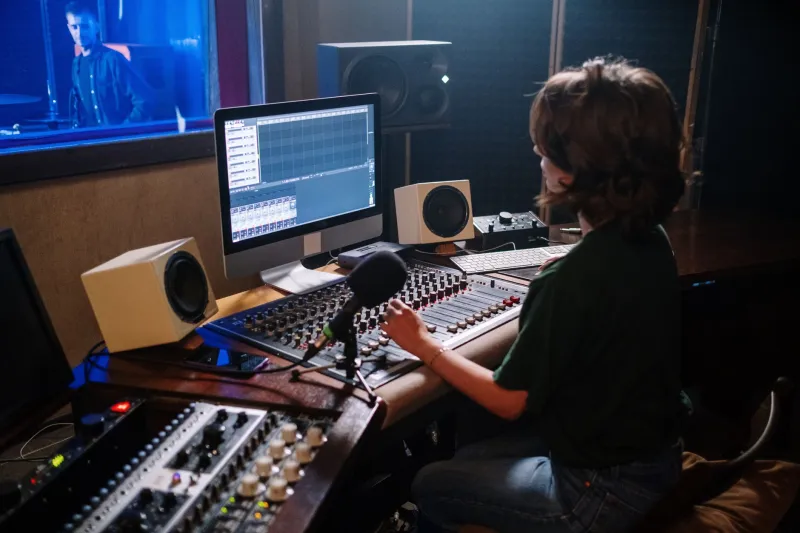
But somewhere along the way, the economics started eating the art. Producers who spoke to Balagana described a cycle that feels less like creative expansion and more like content farming. "You finish something, you're proud of it, and then immediately you're being asked to dilute it," said one Brooklyn-based producer who has worked with major label acts across R&B and hip-hop. "The remix isn't for the music. It's for the algorithm. Everyone in the room knows that."
The pressure isn't just creative — it's financial. Artists on certain deal structures don't see meaningful additional income from deluxe editions. The label captures most of the upside while the artist absorbs the cost of additional studio time, mixing, and the intangible toll of re-engaging with material they've already emotionally closed the book on.
The Case for Finishing
Here's what's interesting: some of the most talked-about releases of the last couple of years have done the opposite of flood the zone. They came out once, complete, and then their creators moved on. No bonus tracks. No "featuring [name you didn't expect]" remix drops timed to a slow news week. Just the record, exactly as intended, standing on its own.
There's a psychological argument here that artists are starting to make out loud. Completeness is a statement. When a record feels finished — when it has a beginning, a shape, and an ending that means something — listeners respond to that wholeness differently than they respond to an open-ended content drip. It signals confidence. It says the artist trusted their own judgment enough to stop.
A Los Angeles-based singer-songwriter who recently turned down label pressure to extend her debut described it this way: "I made the record I wanted to make. Every song is where it's supposed to be. Adding more wouldn't make it better — it would just make it longer. Those are not the same thing."
She's not alone in that thinking. Across genres — indie folk, underground rap, experimental electronic — there's a quiet but growing consensus that the audience is smarter than the extended cut economy gives them credit for. Fans can tell when bonus content is genuine and when it's filler wearing a ribbon.
What Artists Actually Lose in the Remix Cycle
Beyond the creative cost, there's a momentum problem. Every time an artist re-enters the promotional cycle for a version of something they've already released, they're spending attention — their own and their audience's — on the past instead of the future. In a landscape where the window for genuine cultural impact is already narrow, that's a significant trade-off.
Several producers noted that the remix cycle can actually cannibalize an artist's mystique. "Part of what makes people want to see you live, want to follow what you do next, is a sense that you're moving forward," one producer explained. "When you keep returning to the same project, you start to look like you don't have anywhere else to go. Even if that's not true, perception matters."
There's also the question of what happens to the original. When a record gets buried under six subsequent versions, casual listeners — the ones who might have become long-term fans — often can't figure out where to start. The catalog becomes a maze instead of a door.
The Pushback Is Getting Louder
What's changed recently is that the pushback is becoming more public. Artists are talking openly in interviews about declining remix requests. Some are building it into their contracts. Independent musicians especially — less beholden to label quarterly targets — are releasing records with an explicit "this is the version" posture and daring the industry to tell them they're wrong.
The interesting thing is that fans are responding. Not universally, and not without some grumbling from the corner of the internet that always wants more content. But there's a real and growing appreciation for artists who treat their work as finished rather than as a perpetually expandable product.
Some of this connects to a broader cultural shift in how audiences relate to music. In a world where everything is technically always available and infinitely expandable, scarcity and intentionality have started to feel like their own kind of luxury. An album that exists as one thing — one complete, non-negotiable thing — has a different weight than an album that exists as a platform for ongoing content generation.
Rhythm Over Volume
At Balagana, we spend a lot of time thinking about how music moves across cultures and why certain things land while others don't. One thing that holds across almost every musical tradition we cover is that rhythm matters more than volume. Not sonic volume — conceptual volume. The best music, wherever it comes from, knows when to stop. Knowing when to stop is part of the craft.
The extended cut economy forgot that. Or maybe it never cared. But artists are remembering it, and the ones who are holding the line on their work's completeness are making a case that the rest of the industry is slowly being forced to hear.
One record. Finished. Done. On to the next thing.
Turns out that's not a limitation. That's a choice — and right now, it might be the most radical one a musician can make.