Behind Closed Doors: The Hidden Music Spaces Where Immigrant America Keeps Its Soul Alive
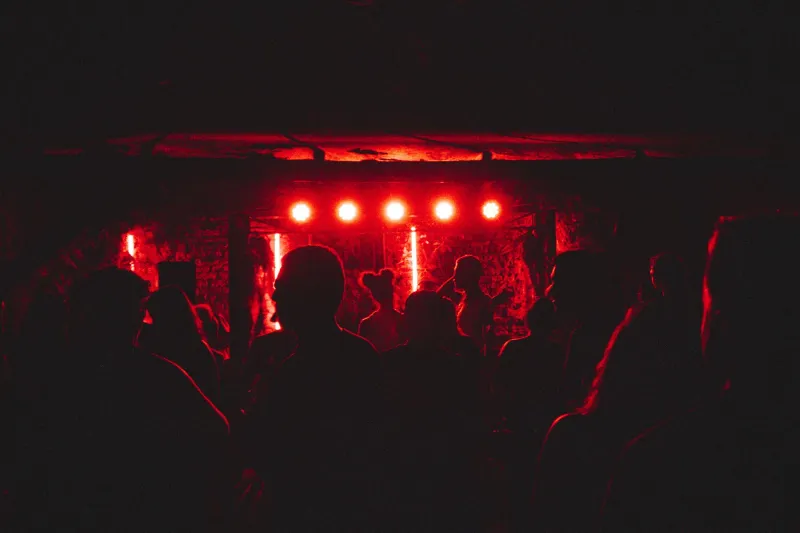
On a Thursday night in a stretch of Queens that smells like cumin and diesel, there's a door that doesn't advertise itself. No sign. No velvet rope. If you don't already know someone who knows someone, you're not getting in. Inside, a small room packed with maybe forty people is vibrating to the sound of a duduk — the ancient Armenian wind instrument that carries grief the way no other instrument on earth quite does. The guy playing it flew in from Yerevan three weeks ago. He's not on Spotify. He doesn't have a booking agent. He's here because someone's uncle asked him to come, and the community paid his way.
This is what the algorithm will never find.
The Invisible Architecture of Sound
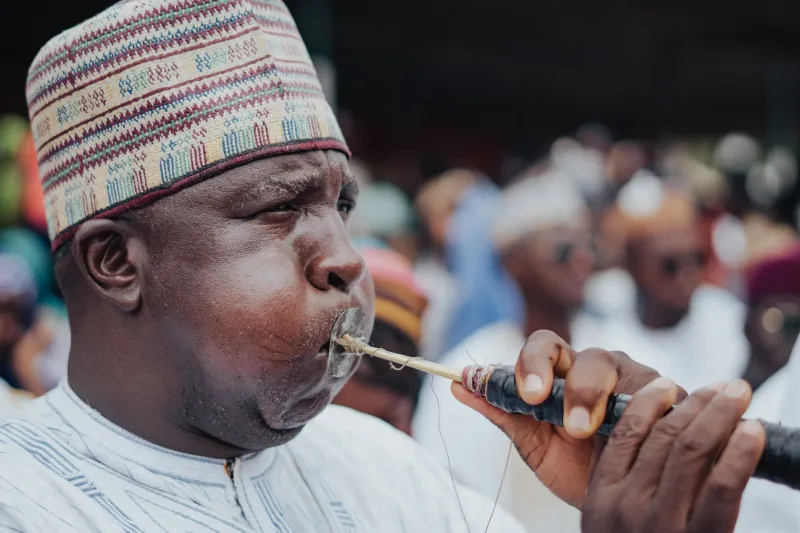
Across American cities — from the Little Ethiopias of Los Angeles to the Vietnamese enclaves of Houston, from Chicago's Polish corridors to the Bangladeshi neighborhoods of the Bronx — there exists a sprawling, largely invisible network of music spaces operating outside the mainstream entertainment economy. Researchers who study diaspora culture have a name for these places: sonic sanctuaries. The people who actually use them just call them home.
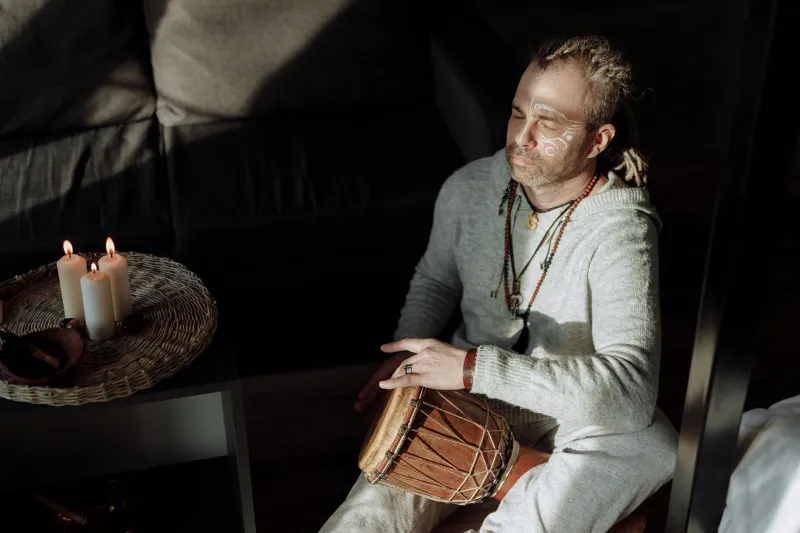
They take wildly different forms. Some are back rooms of ethnic restaurants that transform after the dinner rush. Others are private social clubs with decades of history, the kind that have a members' list and a waiting period. Some are literal living rooms where a host charges twenty bucks at the door, feeds everyone, and books a musician from the homeland who's passing through. The format doesn't matter much. What matters is the feeling — the specific, irreplaceable sensation of hearing music that was made for you, in a room full of people who understand exactly what it means.
Dr. Amara Osei-Bonsu, a cultural anthropologist at the University of Michigan who has spent years documenting West African community music spaces in Detroit and Minneapolis, describes these venues as doing something that even the best mainstream concert hall cannot replicate. "When you walk into a space and the music being played is the music your grandmother hummed in her kitchen, it's not entertainment in the conventional sense," she says. "It's a form of continuity. You're being told that who you are didn't get erased by the act of migration."
Old World Sounds, New World Rooms
What makes these spaces especially fascinating — and this is the part that most outsiders miss — is that they're not purely preservationist projects. They're not museums. The music that gets played in a Salvadoran social club in Los Angeles in 2024 is not identical to what you'd hear in San Salvador in 1985. It's something stranger and richer: a hybrid thing shaped by the specific experience of living between two worlds.
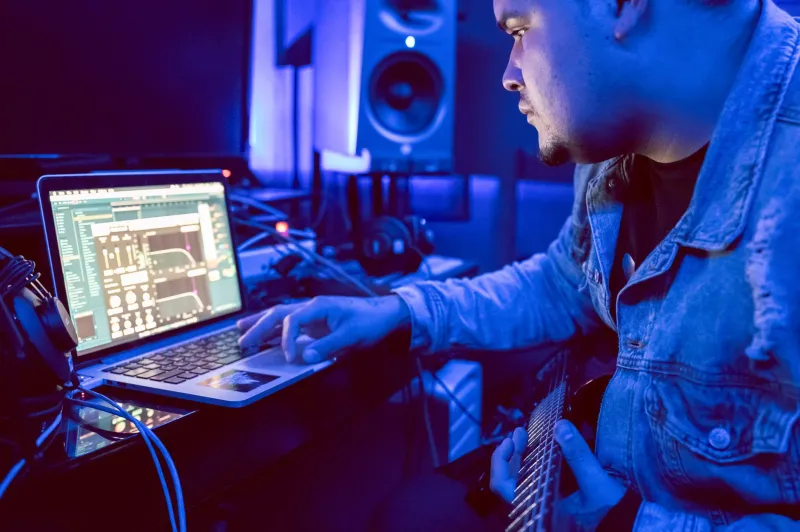
Take the cumbia nights that have been quietly running in certain South Side Chicago neighborhoods for years. The core rhythms are traditional. But the DJs who spin there have been layering in samples, electronic textures, and occasionally hip-hop production techniques in ways that reflect lives lived in American cities. The result is a sound that couldn't have been made anywhere else. It belongs to Chicago as much as it belongs to Colombia.
This hybridization happens organically, almost unconsciously. A tabla player who spends his days teaching music in New Jersey and his weekends performing at private Diwali gatherings starts incorporating jazz chord structures he's absorbed from years of living in America. A Vietnamese đàn bầu musician in Houston begins experimenting with reverb pedals she picked up at a local pawnshop. Nobody's writing a manifesto about it. It just happens, because music always reflects the life being lived around it.
Why These Spaces Stay Hidden
There are practical reasons why many of these venues operate under the radar. Licensing requirements, zoning laws, and noise ordinances make running any kind of music space expensive and legally complicated. For community organizations with limited resources, staying informal is often the only financially viable option. Some spaces have been operating in legal gray areas for decades, relying on goodwill, community loyalty, and the general disinterest of local authorities to keep the lights on.
But there's something else going on too. For many immigrant communities, invisibility is a feature, not a bug. These are spaces built for insiders, and keeping them insider spaces is the point. The moment a venue gets written up in a local lifestyle magazine, the dynamic shifts. The audience changes. The music changes. What was a refuge becomes a novelty — something for curious outsiders to sample and Instagram before moving on to the next interesting thing.
"There's a real tension between wanting recognition and wanting to be left alone," says Marcus Tran, who has been involved in organizing Vietnamese community music events in the San Jose area for over a decade. "We've seen what happens when outside attention comes. It doesn't always end well for the community."
What the Rest of America Is Missing
Here's the uncomfortable flip side of all this. While these spaces are doing something genuinely precious and irreplaceable, their invisibility also means the broader American cultural conversation is missing out on some of the most interesting music being made anywhere in the country right now.
The sonic experimentation happening in diaspora spaces — the cross-pollinations, the accidental fusions, the genre collisions that occur when a musician trained in one tradition spends twenty years absorbing another — is arguably more creatively alive than much of what gets amplified by the mainstream music industry. But because it exists outside the promotional apparatus, outside the streaming metrics, outside the festival circuit, it rarely reaches ears beyond the communities that created it.
That's not necessarily a tragedy. These spaces weren't built for external audiences. Their value isn't contingent on being discovered. But it does raise a question worth sitting with: what does it say about American music culture that some of its most vital sounds are the ones it's least equipped to hear?
Back in that Queens room, the duduk player has moved into something slower and more devastating. A few people near the back are crying quietly. Nobody's filming it. Nobody's going to post it later. It will live only in the memory of the people in that room — which, depending on how you look at it, is exactly how it should be.