Strings Attached: How Gen Z Fell Hard for the Banjo, Oud, and Everything In Between

Photo: Gaspare Traversi, Public domain, via Wikimedia Commons
Something unexpected is happening in the bedrooms and studios of the youngest generation of musicians: they're putting down the laptop and picking up instruments their grandparents might recognize. From sitars going viral on TikTok to indie artists weaving West African kora melodies into their debut EPs, Gen Z is staging a full-on acoustic revolution — and it sounds absolutely gorgeous.
For a generation raised on SoundCloud drops and Spotify algorithms, this shift feels almost countercultural. But dig a little deeper, and it makes total sense.
The Screen-Fatigue Factor
Let's be honest — Gen Z has spent more time staring at screens than any generation before them. Between Zoom school, endless doom-scrolling, and the relentless churn of social media, there's a growing hunger for something that feels real. Tactile. Human.
Enter the acoustic instrument.
When 22-year-old Priya Anand from Austin, Texas, started posting sitar covers of Olivia Rodrigo songs last year, she wasn't trying to make a statement. She just wanted to play something that felt grounded. "I was tired of staring at Ableton," she told us. "The sitar makes a sound that you can feel in your chest. It's alive in a way that a plugin just isn't."
Her videos now pull in millions of views. The comments? Full of young Americans asking where they can take sitar lessons.
TikTok as the World's Biggest Music Classroom
Here's the wild thing about TikTok: it doesn't care about genre boundaries. The algorithm will serve you a Malian ngoni player right after a country guitar tutorial, and somehow both will make you want to learn something new. That randomness has turned out to be rocket fuel for acoustic instrument discovery.
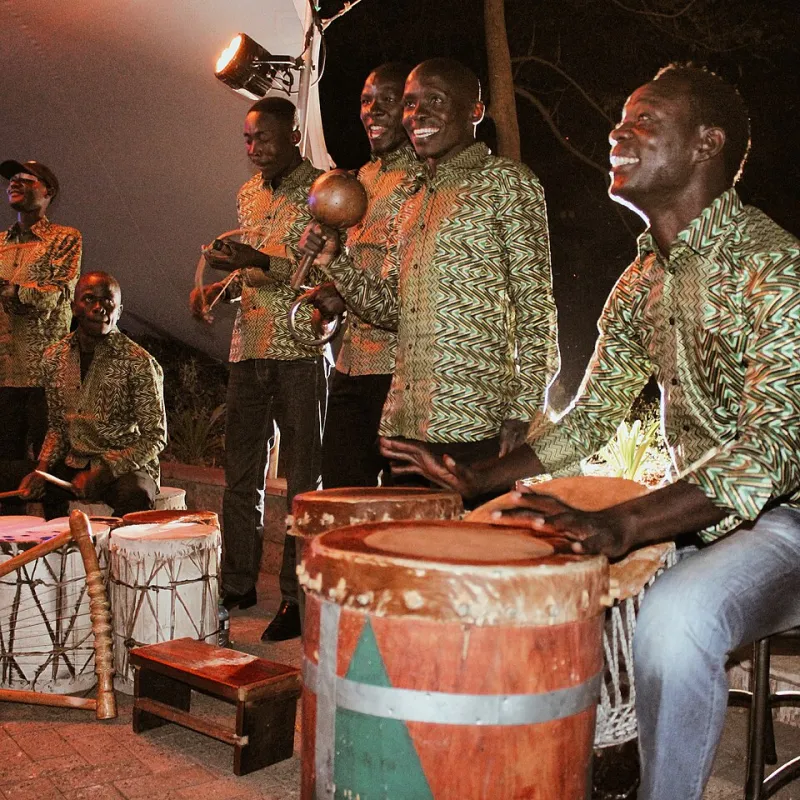
Searches for "kora lessons" on YouTube have reportedly jumped by triple digits over the past two years. Oud tutorials — covering the pear-shaped, fretless lute central to Arabic and Turkish musical traditions — are pulling in views from teenagers in Ohio and Oregon who couldn't have pointed to the Middle East on a map five years ago. Hand drum communities centered around the djembe, the cajon, and the Irish bodhrán have exploded on Reddit, Discord, and YouTube.
The pattern is clear: young people are hearing something unfamiliar, feeling something in their gut, and immediately Googling how to play it themselves. That's not passive consumption — that's genuine cultural curiosity.
Indie Artists Leading the Charge
Beyond the bedroom hobbyists, a new wave of indie artists is making acoustic world instruments central to their sound — not as exotic decoration, but as the structural backbone of their music.
Take Brooklyn-based duo Mira & the Hollow, who built their entire debut record around frame drums, acoustic bass, and a Moroccan guembri. Or Nashville singer-songwriter Caleb Osei, who layers traditional Ghanaian hand percussion under folk lyrics about growing up between two cultures. These aren't novelty acts. They're getting booked at festivals like Newport Folk and South by Southwest, and their audiences are overwhelmingly young.
"There's a rejection happening," says music journalist Dana Flores, who covers emerging sounds for several indie outlets. "Young artists don't want to sound like everyone else on Spotify. Acoustic instruments from non-Western traditions give them a sonic identity that's immediately distinct. And audiences respond to that authenticity."
What 'Authenticity' Actually Means Here
It's worth pausing on that word — authenticity — because it's doing a lot of heavy lifting in this conversation, and it deserves some scrutiny.
Critics have pointed out, reasonably, that cultural appreciation can slide into appropriation if artists aren't thoughtful about where these sounds come from. A white American picking up an oud and calling it "exotic" is a very different thing from a musician who studies the tradition, credits its origins, and builds genuine relationships with communities where that instrument lives and breathes.
The good news? Many of the young artists driving this trend seem genuinely aware of that line. They're taking lessons from traditional masters, citing their influences openly, and in many cases collaborating directly with musicians from the cultures they're drawing from. The internet, for all its chaos, has made it easier than ever to connect across that kind of distance.
And increasingly, the artists leading this acoustic revival aren't outsiders borrowing someone else's culture — they're children of immigrants, first-generation Americans, and diaspora kids reclaiming the sounds of their own heritage. That's not appropriation. That's something much more beautiful.
The Gear Market Is Noticing
Follow the money, and you'll see this trend has real weight behind it. Instrument retailers across the US have reported notable upticks in sales of acoustic instruments that were previously considered niche — ouds, ukuleles tuned to non-Western scales, various types of frame drums, and even the hammered dulcimer. Several small-batch luthiers who specialize in traditional stringed instruments from South Asia and the Middle East say their waitlists have grown significantly over the past 18 months.
Music schools are paying attention too. Community music centers in cities like Chicago, Los Angeles, and New York have started adding world instrument workshops to their curriculum, often filled within days of being posted.
Why This Moment Feels Different
Acoustic instrument revivals have happened before — think the folk boom of the '60s, or the roots music renaissance of the '90s. But this one has a distinctly global flavor that previous movements lacked. It's not just about unplugging from technology. It's about plugging into the full breadth of human musical history, across every continent and culture.
Gen Z, the most globally connected generation ever, seems to understand intuitively that the world's musical traditions aren't separate, siloed things. They're part of one enormous, endlessly fascinating conversation. And right now, they want in on all of it — one string, one drum, one resonant, handmade note at a time.
At Balagana, we've always believed the world's rhythms have something to say to anyone willing to listen. Turns out, a whole generation agrees.