Seven African Music Genres That Are About to Take Over Your Playlist
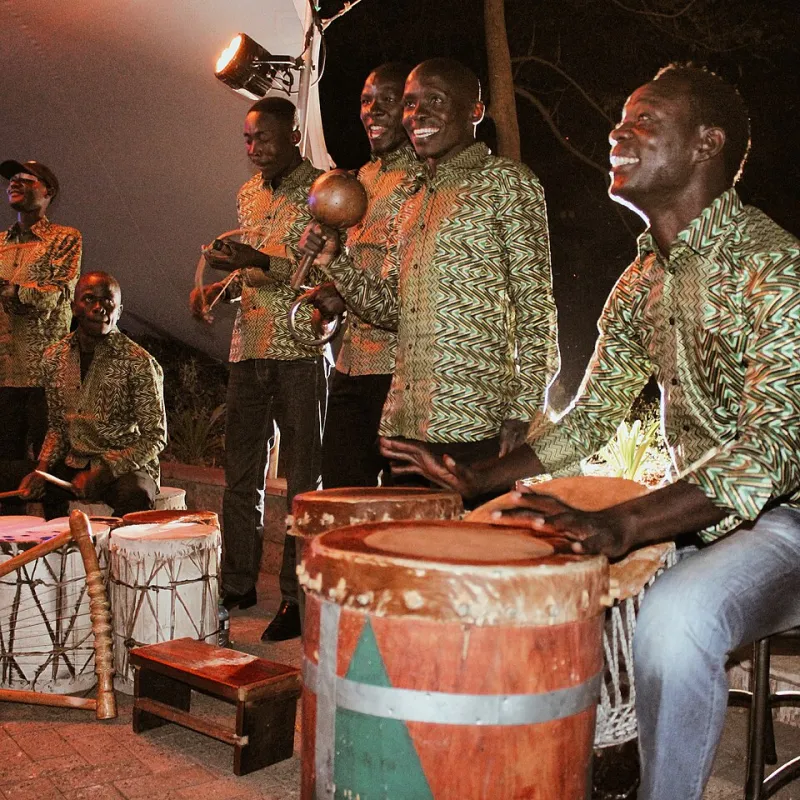
Photo: Timlamec, CC BY-SA 4.0, via Wikimedia Commons
Africa's music scenes are moving faster than most American listeners realize. From the hypnotic piano-driven pulse of Amapiano to the chaotic, thrilling hyperpop experiments bubbling out of Lagos and Kinshasa, a new wave of genres is lined up and ready to reshape what mainstream US audiences think they know about African music. Here are seven sounds you need to know right now — before everyone else does.
1. Amapiano (South Africa)
If you've been anywhere near a trendy rooftop bar or a fashion week afterparty in the last year, you may have already heard Amapiano without knowing what it was. Originating in South Africa's townships in the late 2010s, Amapiano blends deep house, jazz, and lounge music into something that's simultaneously laid-back and absolutely infectious. The signature sound? A rolling, melodic log drum bassline that seems to pull your hips into motion whether you like it or not.
Artists like Uncle Waffles — whose viral DJ sets have racked up tens of millions of views — and Kabza De Small have already cracked international audiences wide open. Streaming numbers in the US have climbed steadily, and major American labels are actively scouting Johannesburg for the next breakout act. Amapiano isn't coming to the US mainstream. It's already knocking on the door.
Watch for: Tyla, whose Amapiano-inflected debut earned a Grammy nomination, is just the beginning of what this genre can do stateside.
2. Afrobeats 2.0 — The New Wave (Nigeria)
Hold on — Afrobeats is already mainstream, right? Yes and no. The Burna Boy, Wizkid, and Davido era cracked the door open for Nigerian music globally. But a younger generation of Lagos artists is pushing the sound somewhere more experimental, blending Afrobeats rhythms with R&B, trap, and even alternative rock textures. Think of it less as a genre and more as a sonic evolution.
Artists like Ayra Starr and Rema have already demonstrated crossover potential, but newer names — Fave, Odumodublvck, and Shallipopi — are doing things with Afrobeats structures that feel genuinely fresh. The genre's DNA is intact, but the possibilities have expanded dramatically.
Watch for: Odumodublvck's aggressive, street-rap-meets-Afrobeats style is already causing serious buzz among US hip-hop heads.
3. Amapiano's Cousin: Afro-Tech (Pan-African)
If Amapiano is the Sunday afternoon vibe, Afro-Tech is what happens at 2 a.m. A harder, more propulsive fusion of techno, house, and African percussion traditions, Afro-Tech has been quietly building a devoted following in US underground electronic scenes. Artists and DJs from South Africa, Kenya, and the broader continent are releasing records that would feel right at home in Berlin or Detroit — but carry a distinctly African rhythmic sensibility.
Festival programmers at events like Movement in Detroit and Coachella have started paying attention. Expect to see Afro-Tech acts on major US festival lineups within the next year or two.
Watch for: Black Coffee, already a legend in this space, is the gateway artist. Follow his playlists and you'll find the next generation.
4. Bongo Flava (Tanzania)
East Africa's answer to hip-hop, Bongo Flava has been Tanzania's dominant pop form for decades — but it's remained largely invisible to American audiences. That's starting to change. Artists like Diamond Platnumz have built genuinely massive fanbases across Africa and the Swahili-speaking diaspora in the US, and his streaming numbers on Spotify and Apple Music have been quietly climbing into territory that demands mainstream attention.
Bongo Flava's appeal lies in its melodic warmth and its ability to absorb influences — you'll hear R&B, reggae, hip-hop, and traditional Taarab music all folded into a single track. It's immediately accessible to American ears while still feeling distinctly East African.
Watch for: Diamond Platnumz's collaborations with American artists are already in motion. When one lands on a major label playlist, the floodgates open.
5. Coupé-Décalé and Its Modern Descendants (Côte d'Ivoire / West Africa)
Originating in the Ivorian diaspora in Paris in the early 2000s, Coupé-Décalé is built on an irresistibly danceable blend of electronic beats, Congolese rhythms, and a philosophy of joyful, unapologetic celebration. Its modern descendants — sometimes called "Couper-Coller" or folded into broader Afropop categories — have been evolving rapidly, incorporating trap hi-hats and melodic vocal styles that feel very current.
The genre's emphasis on dance and spectacle makes it a natural fit for US club culture and social media virality. TikTok dance challenges built around West African music have already demonstrated that American audiences are hungry for this kind of rhythmic, visual energy.
Watch for: A TikTok moment is all it takes. The infrastructure is there.
6. Gengetone (Kenya)
Nairobi's Gengetone scene is grimy, funny, politically sharp, and completely its own thing. Emerging around 2018, the genre blends Kenyan street slang, dancehall rhythms, hip-hop production, and a raw, DIY energy that feels analogous to what early trap did for Atlanta. Groups like Ethic Entertainment put Gengetone on the map with videos that went viral across the continent, and the genre has developed a loyal following among Kenyan diaspora communities in cities like Minneapolis, Atlanta, and Washington D.C.
The crossover potential lies in Gengetone's humor and authenticity — it's music that doesn't take itself too seriously while still saying something real about urban life. American hip-hop audiences who discovered Afrobeats through Burna Boy are exactly the audience primed for this.
Watch for: As East African diaspora communities in the US grow and gain cultural influence, Gengetone's moment will come.
7. Kinshasa Hyperpop (Democratic Republic of Congo)
Okay, this one is genuinely on the cutting edge — and it's wild. A loose but growing scene of producers and artists in Kinshasa are doing something that sounds like what would happen if PC Music and Congolese rumba had a chaotic, glitchy, beautiful baby. Heavy use of pitched-up vocals, frenetic electronic production, and traditional Congolese melodic sensibilities are getting smashed together in ways that feel genuinely new.
This isn't mainstream even in the DRC yet. But scenes like this — small, internet-native, and utterly distinctive — have a history of blowing up fast when the right tastemaker finds them. The global hyperpop audience, which skews young and adventurous, is exactly the community that could launch this into international awareness overnight.
Watch for: This one travels through music blogs and Discord servers before it hits Spotify editorial playlists. Start following Congolese music journalists now.
The Bigger Picture
What connects all seven of these genres — beyond the geography — is the sense that African music scenes are creating on their own terms, for their own audiences, without waiting for Western validation. The US market is increasingly coming to them, not the other way around.
For American listeners, that's genuinely exciting. The world's rhythms are more accessible than they've ever been, and Africa's contribution to the global sound is only getting louder. At Balagana, we'll be here to track every beat of it.